Trying to understand blood pressure readings meaning can feel confusing (especially when numbers like 120 over 80 suddenly matter).
If you’ve ever checked your blood pressure, worried about your heart health, or wondered what your systolic and diastolic numbers really say about you, this guide will give you clear, trusted, and life-saving insights.
Learn how to read your results accurately, spot warning signs, and take powerful steps toward better wellness today.
Power Words: Essential, Proven, Instant, Powerful, Clear, Trusted, Safe, Smart, Vital, Life-saving
📑 Table of Contents (Recommended)
- What Do Blood Pressure Readings Mean
- How to Use BP Numbers Correctly
- Real Life Reading Examples
- Common Mistakes
- BP Across Ages & Lifestyles
- Related Health Terms
- FAQs
What Does “Blood Pressure Readings Meaning” Refer To? (Definition + Origin)
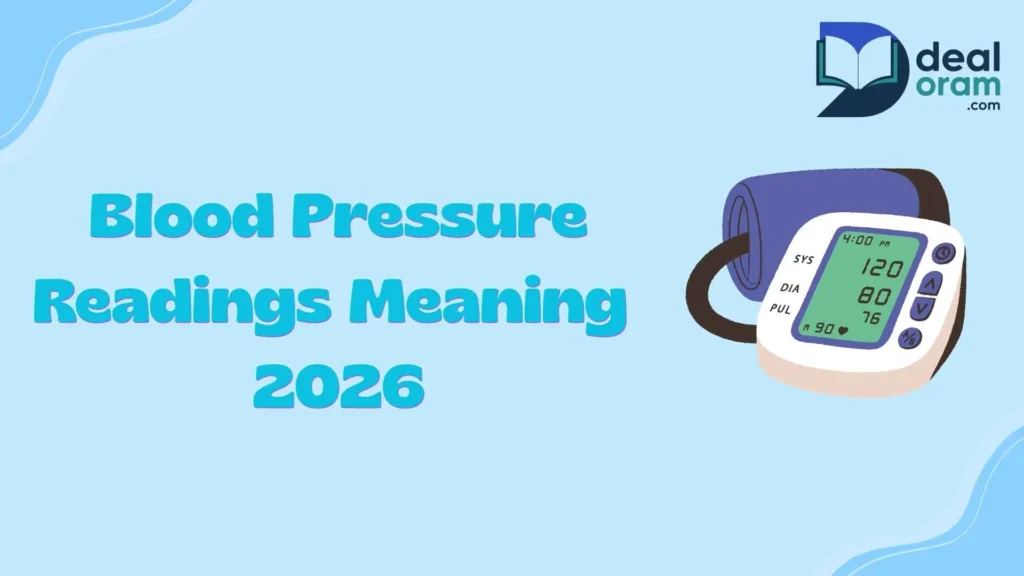
Blood pressure readings measure the force of blood pushing against artery walls as the heart pumps.
Each reading has two numbers:
- Systolic pressure (top number): Pressure when the heart beats
- Diastolic pressure (bottom number): Pressure when the heart rests
🧠 Quick Answer
A blood pressure reading like 120/80 mmHg shows how hard your heart is working. The first number measures pressure during heartbeats, and the second measures pressure between beats.
The concept comes from cardiovascular medicine and is tied closely to understanding conditions like Hypertension and Hypotension.
Pronunciation Guide
- Systolic: sis-TOL-ik
- Diastolic: die-uh-STOL-ik
Over time, wearable tech and home monitors have made BP tracking common — not just in clinics but in everyday life.
How to Understand Blood Pressure Numbers Correctly
Let’s simplify the ranges.
✅ Normal Blood Pressure
- Around 120/80 mmHg
⚠️ Elevated
- 120–129 systolic and less than 80 diastolic
🚨 High Blood Pressure Stage 1
- 130–139 systolic OR 80–89 diastolic
🚑 High Blood Pressure Stage 2
- 140+ systolic OR 90+ diastolic
❄️ Low Blood Pressure
- Typically below 90/60 mmHg
Context Matters
Blood pressure isn’t static.
It can change due to:
- Stress
- Caffeine
- Exercise
- Poor sleep
- Dehydration
- Illness
When NOT to Overreact
One high reading doesn’t mean disease. Doctors usually look at patterns over time.
Real-Life Reading Examples & What They Mean
👩💻 At Work (Office Stress)
Ali: “My BP today was 135/85.”
Friend: “Deadline pressure?”
👉 Emotional meaning: Temporary stress spike. Worth monitoring.
🏃 After Gym
Sara: “Just checked — 140/78!”
Trainer: “Normal after intense cardio.”
👉 Emotional meaning: Body is recovering from exertion.
👵 Checking Parents’ Health
Son: “Ammi’s reading is 118/76.”
Doctor: “Perfect control — keep meds consistent.”
👉 Emotional meaning: Stability and reassurance.
🎮 Gaming All Night
Gamer: “Feeling dizzy… BP is 88/58.”
👉 Emotional meaning: Possible dehydration or fatigue.
💑 Dating Anxiety
Message: “My BP shot to 130/82 before meeting you 😂”
👉 Emotional meaning: Nervous excitement.
Common Mistakes & Misunderstandings
❌ Mistake 1: Thinking Only the Top Number Matters
Both systolic and diastolic are important indicators.
❌ Mistake 2: Ignoring Symptoms
Numbers matter — but so do feelings like dizziness or chest pain.
❌ Mistake 3: Measuring Incorrectly
Talking, moving, or sitting improperly can skew readings.
Generational Confusion
- Younger people may ignore high readings
- Older adults may panic at slightly elevated readings
Cultural Differences
In South Asia, many people rely on symptoms rather than preventive monitoring — which delays diagnosis.
Blood Pressure Awareness Across Age Groups & Lifestyles
👶 Young Adults (Gen Z)
- Often unaware of BP importance
- Influenced by energy drinks and late-night habits
👨💼 Millennials
- Work stress + sedentary jobs increase risk
- Fitness tracking apps make monitoring trendy
👴 Older Adults
- More disciplined about routine monitoring
- Higher prevalence of Cardiovascular disease
Social Media Impact
TikTok and health influencers now normalize sharing BP readings — especially during fitness journeys.
Still, BP monitoring remains informal and personal, not social slang.
Related Health Terms & Alternatives
| Term | Meaning |
|---|---|
| Pulse Rate | Heartbeats per minute |
| Heart Rate Variability | Variation in heartbeat timing |
| Cholesterol | Fat level in blood |
| BMI | Body Mass Index measurement |
| Learn more about Hypertension symptoms | Warning signs of high BP |
| Learn more about Low BP causes | Triggers of hypotension |
| Lifestyle diseases | Conditions linked to habits |
| Cardio fitness | Heart endurance level |
| Salt sensitivity | BP response to sodium |
| Arterial stiffness | Reduced artery flexibility |
FAQs:
What is the ideal blood pressure by age?
There isn’t a single ideal number for everyone. Generally, under 120/80 mmHg is healthy for adults. Older adults may have slightly higher acceptable readings depending on overall health and medication.
Can anxiety cause high blood pressure readings?
Yes. Anxiety can temporarily increase systolic pressure. This is sometimes called white coat hypertension, when readings rise in clinical settings due to nervousness.
Should I check blood pressure daily?
Daily monitoring is helpful if you have diagnosed hypertension or are adjusting medication. Otherwise, checking a few times per week is usually sufficient.
Why is my blood pressure high in the morning?
Morning spikes can happen due to hormone changes, poor sleep, caffeine intake, or untreated hypertension. Doctors call this the morning surge phenomenon.
Can lifestyle changes reduce blood pressure?
Absolutely. Regular exercise, reduced salt intake, weight management, stress control, and quality sleep can significantly lower blood pressure readings over time.
Conclusion:
Understanding blood pressure readings meaning isn’t just for doctors — it’s a life skill.
Those two simple numbers can reveal early warning signs about heart health, stress levels, and lifestyle balance.
Monitor trends, not just one-time readings. Pair numbers with how you feel. And most importantly — take small daily steps toward healthier habits.
Curious about more health terms or digital wellness trends?
👉 Drop your questions or favorite health myths in the comments below!
Explore more guides:
- Hypertension Symptoms Explained
- Best Time to Check Blood Pressure
- Resting Heart Rate Meaning

Hi, I’m John James, the writer behind Dealoram.com, where meanings aren’t just explained… they’re decoded for real life.
I started this platform with one goal: make words easier to understand in a world where language keeps evolving every day. From trending slang to deeper word meanings, I break things down in a way that’s simple, clear, and actually useful.
No complicated definitions. No wasted time. Just straight answers that help you understand what people really mean, and how to use it yourself.